Tips for moving your kitchen and dining room
The kitchen and dining room often contain many different types of items. From dishes and glassware to kitchen appliances and pantry cabinets: many items are fragile or need to be packed carefully.
By properly preparing your kitchen and dining room for the move, you can prevent damage and keep everything organized while packing.
Packing dishes and glassware
Dishes and glassware are among the most fragile items in the home. Plates, glasses, and bowls can easily get damaged if they aren’t packed properly.
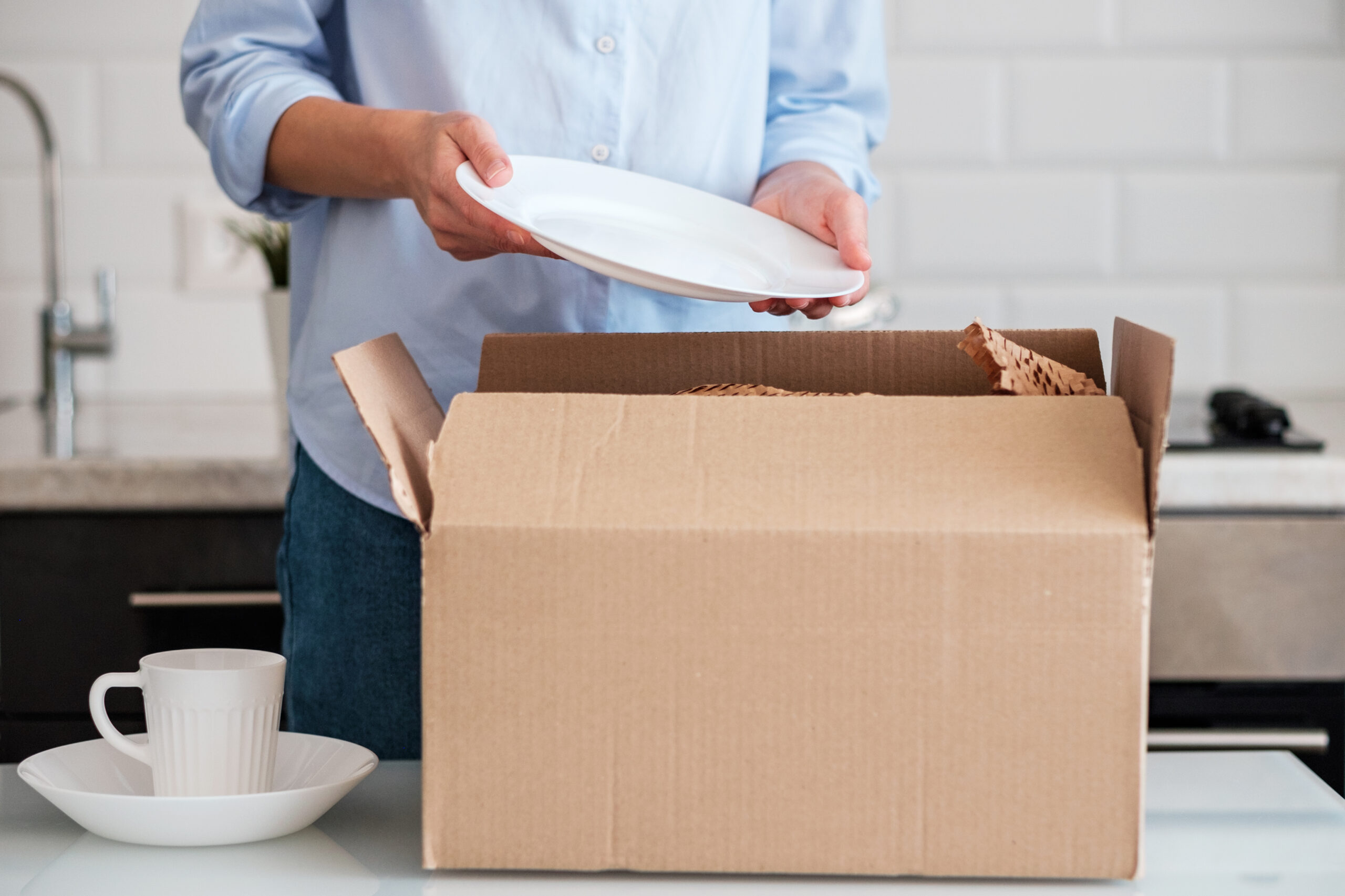
Wrap each piece of tableware individually in packing paper or bubble wrap. Plates are best placed upright in the box, as this reduces the risk of breakage. Glasses and cups should be packed separately and placed securely in the box.
Also, make sure to fill any empty spaces in the box with paper or other protective material. This prevents items from shifting during transport.
For valuable or fragile tableware, we offer a special packing service. Our movers will carefully pack your tableware using professional materials to ensure it is optimally protected during the move.

Packing liquids
Kitchens often contain various liquids such as oil, sauces, cleaning products, and other items. When moving, it’s important to pay extra attention to these items, as not all liquids can be packed.
Perishable food items and open bottles, for example, cannot be taken with you during a move. In addition, be sure to check in advance what rules apply in the destination country regarding the import of food and beverages.
By taking this into account beforehand, you can avoid problems during the move and know exactly which products can and cannot be packed.
Preparing kitchen equipment
Kitchens often contain various appliances, such as a coffee maker, kettle, blender, or microwave. It’s best to wrap these appliances in protective material to prevent them from getting damaged during transport.
If you still have the original packaging, it’s best to use it. If you no longer have it, make sure the appliance is well protected with paper or bubble wrap.
If possible, remove any loose parts from the appliance and pack them separately so that everything can be transported safely.

Other kitchenware and dining room accessories
In addition to dishes and appliances, the kitchen often contains many other items such as pots, pans, cutlery, cutting boards, and storage jars. The dining room also often contains items such as table decorations or small accessories.
It’s a good idea to pack these items by category as much as possible. For example, you can put all the pots and pans together in one box and pack the cutlery in a separate box.
By clearly labeling the boxes, you’ll know exactly where everything belongs when you arrive at your new home.
Special moving service
Packing up a kitchen can be very time-consuming, so it might be a good idea to use a professional packing service.
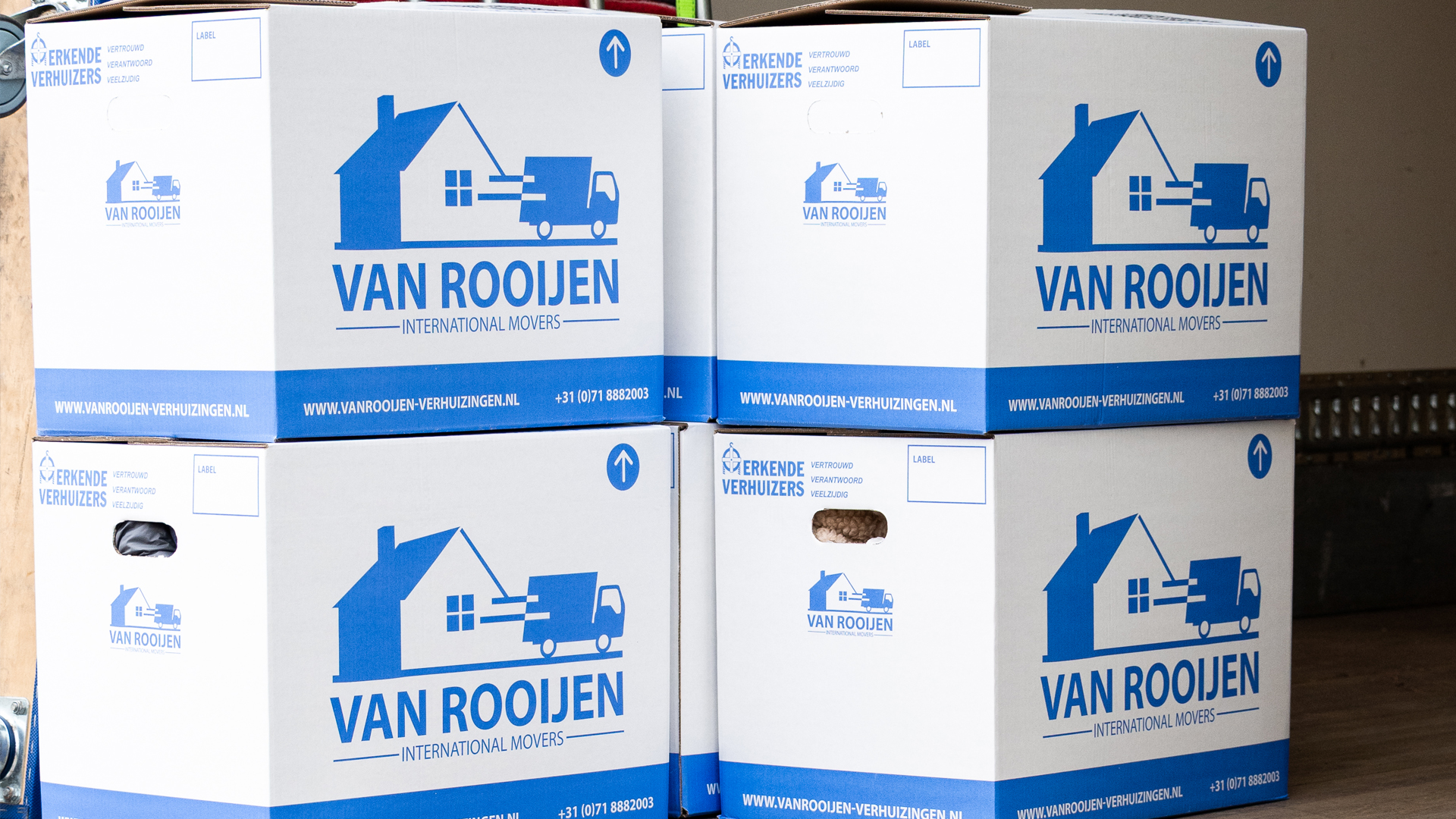
At Van Rooijen International Movers, we can help you with:
- the right packing materials
- professional packing of dishes and glassware
- safe packing of fragile kitchen appliances
- packing of other kitchen items and dining room accessories
By using professional moving services, your kitchen and dining room will be quickly and safely prepared for transport.
Tip from Flip:
Avoid using boxes from hardware stores or other discount retailers, as these are often less sturdy. It’s best to use sturdy moving boxes to ensure your kitchen items remain well-protected during the move.
Frequently asked questions about moving a kitchen and dining Room
It is best to wrap dishes individually in paper or bubble wrap. Plates should preferably be placed upright in the box to prevent breakage.
Always make sure bottles are tightly sealed, and if necessary, place them in a plastic bag before putting them in a moving box.
Yes, we can help you professionally pack your dishes and other fragile items so they can be transported safely.
Interested in more information?
Please leave your phone number, and we will get in touch with you!